
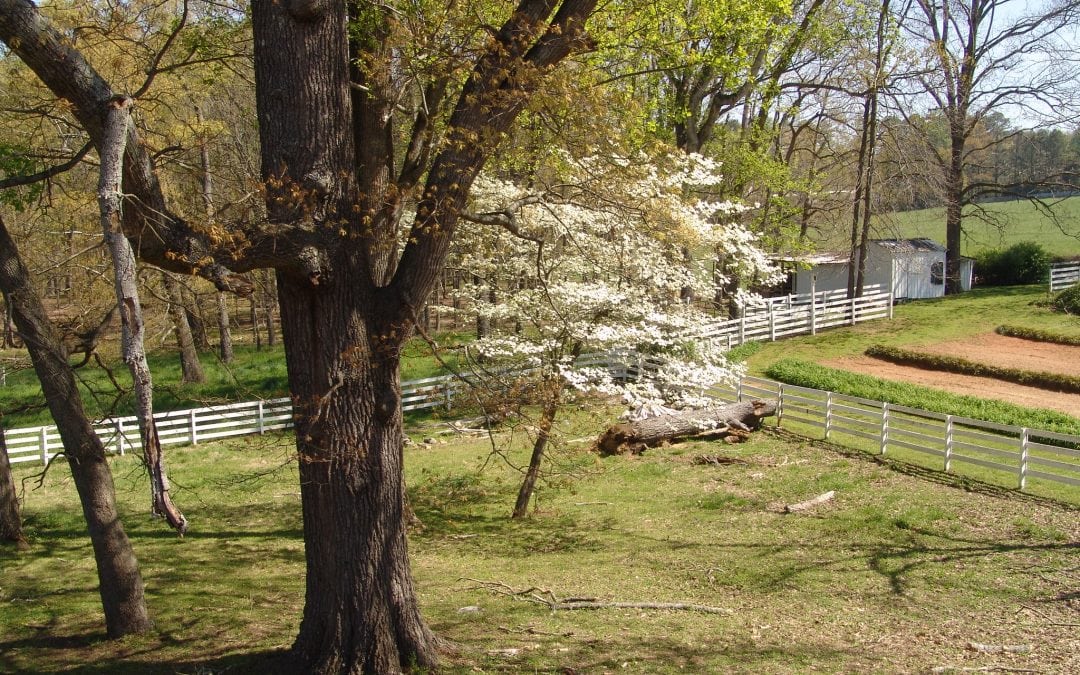
Choosing a memorial after a loss can feel deeply personal. For families drawn to nature, planting a tree in connection with cremated remains can create a place that changes over time and can be revisited for reflection. Rather than centering remembrance on an indoor urn alone, this approach connects memory with a living part of the landscape.
Understanding Tree Memorial Living Urns?
A tree memorial urn is intended to place cremated remains below or near a new planting in a container that gradually breaks down underground. Depending on the chosen system, the package may include a separate chamber for the remains and a prepared growing medium that keeps them from resting directly against developing roots.
This separation matters because cremated remains have chemical properties that can be difficult for a young plant when concentrated in one place. A suitable soil amendment and careful placement can reduce that stress, but they do not eliminate the need to select the right species, planting site, and maintenance plan.
Planning the Tree Memorial
Begin with the location rather than the container. Confirm that planting is permitted, consider how much sunlight and drainage the site receives, and think about who will be able to care for the tree in the years ahead. A site on family property may offer privacy, while a cemetery or dedicated memorial woodland may provide long-term oversight.
Species selection should reflect the conditions at the actual planting site. A locally appropriate tree is generally better prepared for the region’s weather, soil, and available space. Before purchasing a sapling, consider its mature height and root spread as well as its value to nearby wildlife.
Installation should follow the directions supplied with the selected urn system and the needs of the tree. In general, the remains are secured in the lower portion, the buffering or growing material is positioned between them and the root area, and the sapling is set at the proper depth. After the planting hole is backfilled, consistent watering and routine observation are especially important during establishment.
Why Some Families Choose a Tree Memorial
A tree memorial offers a setting that develops rather than remaining unchanged. Its growth can give relatives and friends a recurring place for remembrance, and its presence may contribute shade, habitat, and beauty to the surrounding land. For some families, that combination of commemoration and stewardship feels more fitting than a conventional memorial.
Questions to Consider
- Can a marker or other identifying memorial be added?
- Can arrangements be made in advance?
- May relatives take part in the planting or hold a brief service?
- What costs apply to the urn, tree, location, installation, and maintenance?
- What happens if the young tree does not survive?
- Which tree species are suitable for the site?
- Who is responsible for watering, pruning, and long-term care?
Planting a tree in association with cremated remains can create a lasting point of connection, but its success depends on more than the urn itself. Thoughtful site selection, appropriate preparation, and a realistic care plan help turn the idea into a memorial that can remain meaningful for years.
A living urn is more than a container for ashes. It is a way to create a living memorial that can grow for years. For families interested in green cremation services, a tree-planting memorial, or a memory forest cemetery in Georgia, this option offers a gentle, lasting way to honor someone special.
At Milton Fields, turning ashes into a living urn can help remembrance become something rooted, growing, and alive. It gives back to nature while keeping a loved one’s memory present in a beautiful and meaningful way.
Additional Resources on a Living Urn
Answers to Common Questions Related to The Living Urn
Turning Ashes Into a Memorial Tree: How the Living Urn Works and What to Expect
Cremation Association of North America — Cremation memorial options
Green Burial Council — Biodegradable urn options
The Living Urn — Memory Forest information
The Living Urn — Product and planting-system information
The Living Urn — RootProtect information
University of Georgia Extension — Native plants for Georgia landscapes